Najbolji videi

МОЩНАЯ РЫБАЛКА 2019! Карп тащит ПОПЛАВОК и РВЁТ удочку! Огромный КАРАСЬ?
Рыбалка на карпа интересная получилась...
СОТРУДНИЧЕСТВО: slmproduction@mail.ru;
Менеджер по РЕКЛАМЕ: https://vk.com/g_o_o_d_____l_u_c_k (Volodymyr Obrubyak);
Я в ВК: https://vk.com/a.belchenko99 (также вопросы по сотрудничеству)
Вступайте в группу: https://vk.com/slmagnat
МОЙ INSTAGRAM: https://www.instagram.com/belman_alex/
Спасибо за просмотр!
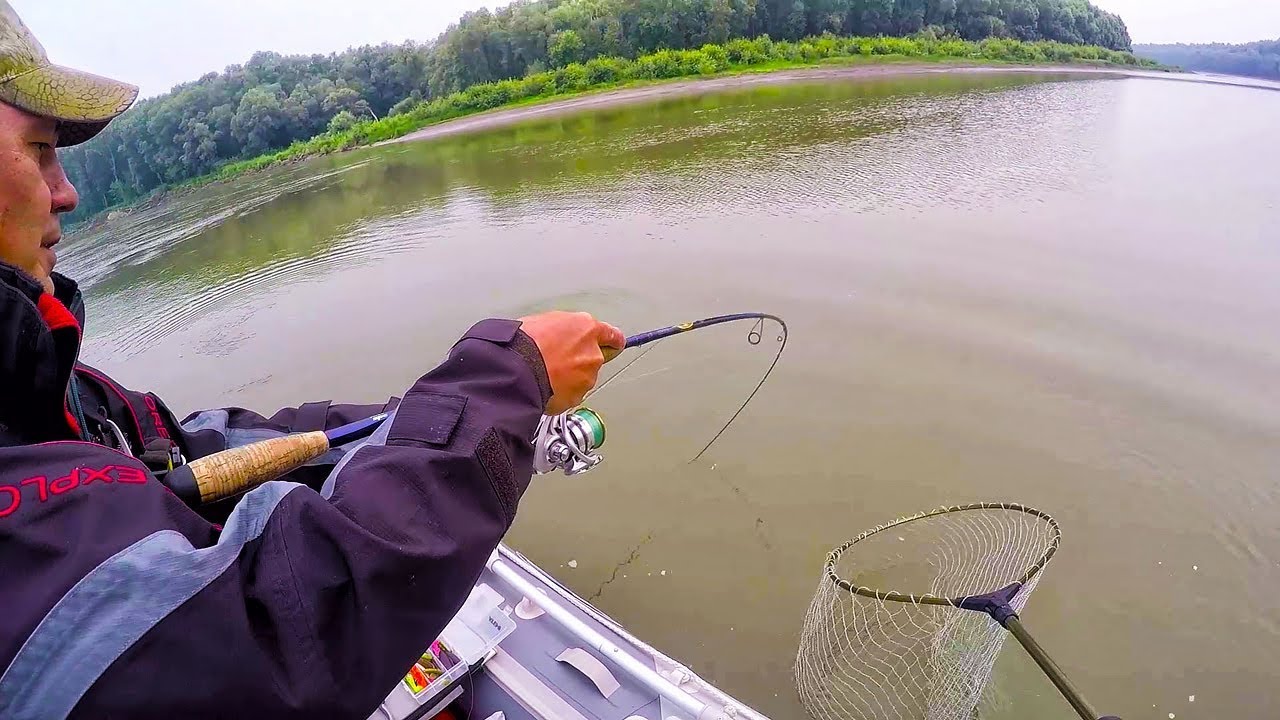
Рыбалка в дыму от лесных пожаров! Смог накрыл небо, утром шли на лодке в слепую ,лишь когда дым рассеялся, мы поняли ,что зашли совсем в другую протоку .Одна ямка с утра выдала несколько поклевок и едва стихло мы пошли шариться по корягам. Перебирая приманки ,я цепляю поролон и он срабатывает. А потом я поймал ЕГО ,в июле! Охренеть!! Климат явно меняется! Отличная получилась рыбалка не смотря ни на что ,нормально порыбачили и отдохнули!
Приятного просмотра!
⚫ПОРОЛОН,МАНДУЛЫ, ПОВОДКИ И СТРИММЕРА "ЛИДЕР": http://leader-fishing.ru/
ПРОМОКОД НА СКИДКУ 10% -AGAT
⚫ТУБУС Тсуринойя 120 :http://clc.to/ag_tubus
⚫Проверенный интернет-магазин FISHINGBAITS.ru
http://fishingbaits.ru/
ПРОМОКОД НА СКИДКУ 10%- Рыбалка с Агатом
Понравился ролик? Подпишись! https://goo.gl/4RRn2E
Мой второй канал: https://goo.gl/gWXYAS
◀Не спамьте пожалуйста в комментариях.
◀Не рекламируйте ничего.
◀Уважайте друг друга.
▉Понравилось видео-поставьте пожалуйста лайк!
▉Да прибудет с вами сила!
Я В контакте: https://vk.com/club113825079
Я В Фейсбуке: https://goo.gl/wxQQ35
Я В Твиттере: https://twitter.com/agat017
Я В Инстаграм: https://www.instagram.com/vacheslavmoor/
Основное видео-GoPro HERO4 Black Edition Adventure
Фоновые зарисовки- Sony A58 ,GoPro HERO4 Black,Sony HDR-CX625
Съемка с квадрокоптера DJI Mavic Air

Спецтехника CASE, продажа, сервис, запчасти.
- Мини-погрузчики (США),
- Экскаваторы-погрузчики, фронтальные погрузчики, телескопические погрузчики, мини-экскаваторы (Италия),
- Экскаваторы гусеничные от 13 до 80 тонн (Япония),
- Бульдозеры и Грейдеры (Бразилия)
ООО "ТехПортАвтоСервис" - официальный дилер CASE в Северо-Западном Федеральном округе.
18 лет на рынке строительной техники!
Наш сайт: http://tpas.ru/
Тел. (812) 334-98-33 доб. 161
+7 911 777 70 06
+7 921 752 79 03
Сервис и запчасти TEREX, VOLVO, VOLVO Penta, DEUTZ.
Кузовной ремонт грузовиков и спецтехники, правка стрел экскаваторов и погрузчиков.
Шины грузовиков и спецтехники, продажа и ремонт.

Экскаватор цепной навесной. Подготовка к работе. Сборка

СпортАвиаСервис + Парамагазин. Франция 2019
Путешествуйте и летайте с нами https://paramagazin.ru/
Во время этого выезда нашли время посетить старинные замки, сходить на экскурсию в адронный коллайдер в Женеве, поесть вкусных Французских сыров и колбас в небольших ресторанчиках. И конечно летали!

http://www.paratrack.ru/
Май. День победы. И мы побеждаем силы притяжения и собственные предрассудки, страхи и стереотипы. Мы ЛЕТИМ!!! Без моторов, используя лишь силы природы - восходящие потоки воздуха. Это не полет на воздушном шаре, это полет на параплане. В день тестирования и обкатки лебедки и прочего оборудования на парапланах улетают все 7 пилотов, оказавшихся на нашем старте в этот день. Улетают на дальний маршрут. Некоторые возвращаются, замерзая на высоте далеко за 1000метров, где температура понижается на 1 градус каждый сто метров от земли.
Наш парапланерный клуб заработал в новом сезоне - 2013.
И мы ждем всех желающих покататься на параплане в тандеме с инструктором и обучиться полетам на параплане. Обучившись в этом сезоне вас ждет уникальный бонус лично от меня - бесплатное обучение на склоне в течение 5-7 дней в сентябре на горе Раковка или Юца. Куда поехать решим ближе к осени по составу участников. К слову обычно это стоит порядка 40 евро в день. Это уникальное событие, которое организую я лично под свою ответственность. Я возьму с собой в динамик только адекватных людей. Кто адекват, а кто нет - решаю я лично по результатам обучения.
Итак, мои условия:
- обучиться до конца августа в нашей школе (сдать все зачеты)
- получить летную книжку
- приобрести рацию, шлем и ботинки (мы НЕ ПРОДАЕМ оборудование, тебе придется самому искать где это все купить).
- взять в аренду снаряжение (мы НЕ ДАЕМ снаряжение в аренду, но есть много других клубов, где возможно взять снаряжение для выезда, при необходимости я помогу - дам контакты, представлю, прослежу, чтобы все было пучком).
- деньги на выезд платятся за билеты, проживание и питание, которое мы оплачиваем каждый сам за себя. Обучаю на склоне я вас лично и бесплатно. Я смогу взять с собой максимум 5 человек. Чем меньше людей, тем больше внимания каждому лично.
В общем, вне зависимости от вашего желания обучаться и летать в тандеме - смотрите видосы, наслаждайтесь нашими приключениями из серии: "КАК МЫ ПРОВОДИМ ЛЕТО".
Подмосковье, Кашира, 100км от МКАД по М-4, поворот на Иваньково. Парадром - Ледовские Выселки. На всем протяжении пути - хороший асфальт. По полю проезжает легко любая машина, даже Getz
Вы можете заказать у меня подарочный сертификат на полет на параплане в тандеме с инструктором на нашем сайте.
Звоните задать вопросы, поболтать о полетах
скайп: pavel_kurkin
тел: 8926-2187875
Павел Куркин
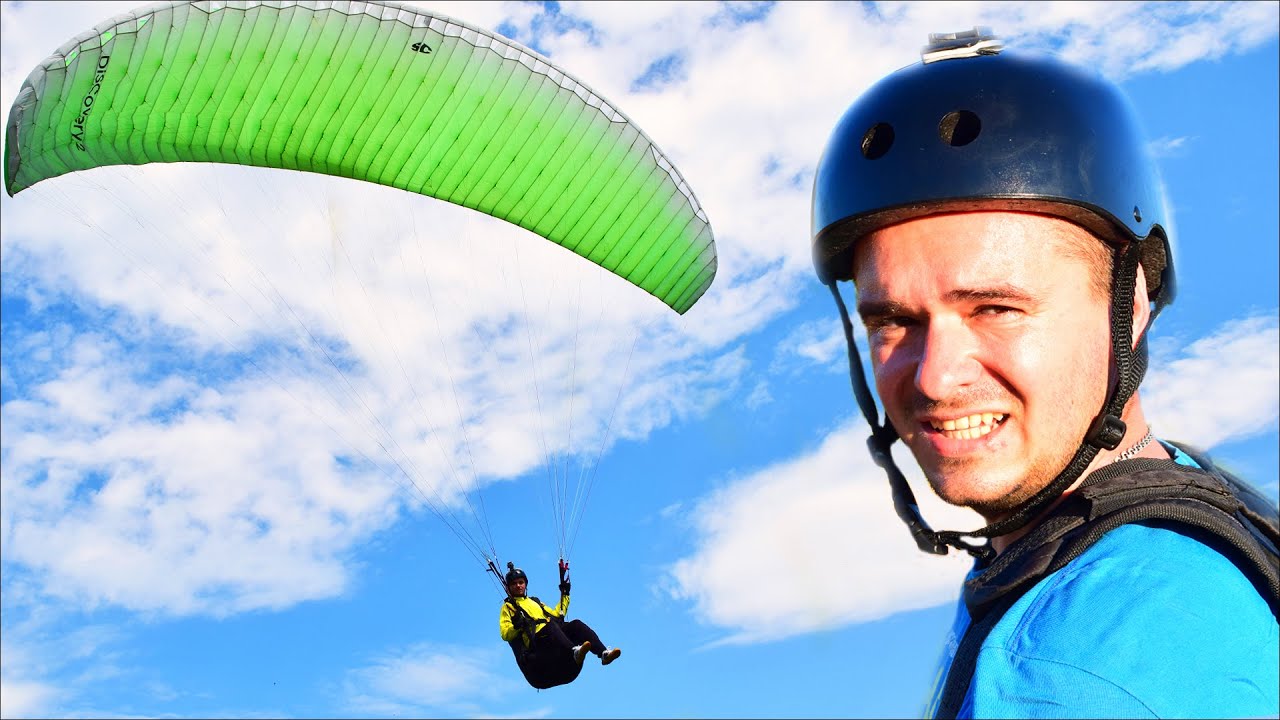
Я купил параплан! В этом видео первые шаги на новом крыле и конечно ошибки. Стараюсь летать низко и аккуратно - очень страшно, но тянет в небо всей душой! Прошу знатоков строго не судить =)
Все вопросы - SKYPE: assistancetv
Партнерская программа AIR.
Подать заявку - http://www.air.io/?page_id=1432&aff=55
Это проверенная партнерка для YouTube!
Видео про партнерку АИР - http://www.youtube.com/watch?v=EtzzAHVhCSc

Учимся летать на параплане... Старты с пережатым крылом, держимся за свободные концы, садимся на полной скорости и не против ветра...

Вы Очевидец с Иваном Усачевым: большая подборка видео роликов различной тематики. Утренняя гимнастикавы Очевидец с Иваном Усачевым: большая подборка видео ро...
Вы Очевидец с Иваном Усачевым: большая подборка видео роликов различной тематики. Реклама почтовой службывы Очевидец с Иваном Усачевым: большая подборка виде...
Вы Очевидец с Иваном Усачевым: большая подборка видео роликов различной тематики. будвайзервы Очевидец с Иваном Усачевым: большая подборка видео роликов разл...
Вы Очевидец с Иваном Усачевым: большая подборка видео роликов различной тематики. соскавы Очевидец с Иваном Усачевым: большая подборка видео роликов различно...
Вы Очевидец с Иваном Усачевым: большая подборка видео роликов различной тематики. БудвайзерВы Очевидец с Иваном Усачевым: большая подборка видео роликов разл...
ВЫ, ОЧЕВИДЕЦ, Будвайзер, ::, ::, ::, ::, ВЫ, ОЧЕВИДЕЦ, Будвайзер, ОЧЕВИДЕЦ, ::, ВЫ, Будвайзер, ::, ::, Будвайзер, ОЧЕВИДЕЦ, ::, ВЫ, ВЫ, ::, ::, Утренняя, ОЧЕВИДЕЦ, гимнастика, ОЧЕВИДЕЦ, ::, Соска, ВЫ, ::, Будвайзер, ::, ::, ОЧЕВИДЕЦ, ВЫ, ОЧЕВИДЕЦ, гимнастика, ВЫ, ::, ::, Утренняя, ВЫ, ОЧЕВИДЕЦ, Будвайзер, Реклама, ::, службы, почтовой, ::, ВЫ, ОЧЕВИДЕЦ
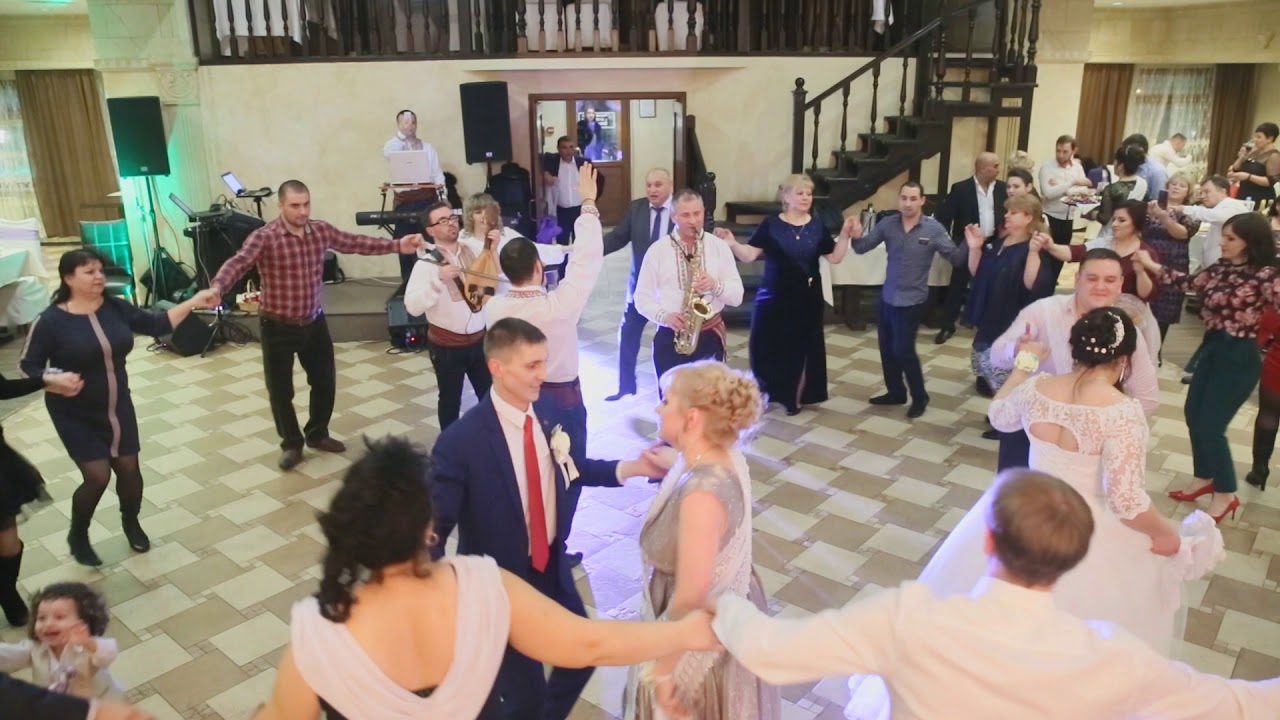
Живая музыка русско-молдавская в Москве музыканты на свадьбу корпоративы банкеты Фото и Видео съемка
Тел:8(965)102-34-04
#молдавскиесвадьбывмоскве
#молдавскаясвадьбавмоскве

Прыжок с парашютом, Интервью с Парашютистом (3000+ прыжков), Вертолет, Аэродром Боровая, Каролина К.
Aeronautica Militare: https://www.aeronauticamilitar....eofficialstore.it/en
Верная версия одного момента на 1:25 :
https://www.instagram.com/p/BZ....qJV9PhNnq/?taken-by=
x x x
где меня найти ?
ВК : http://vk.com/i_amkara
Instagram : https://www.instagram.com/karolina_kanon/
Группа : https://vk.com/club131896235
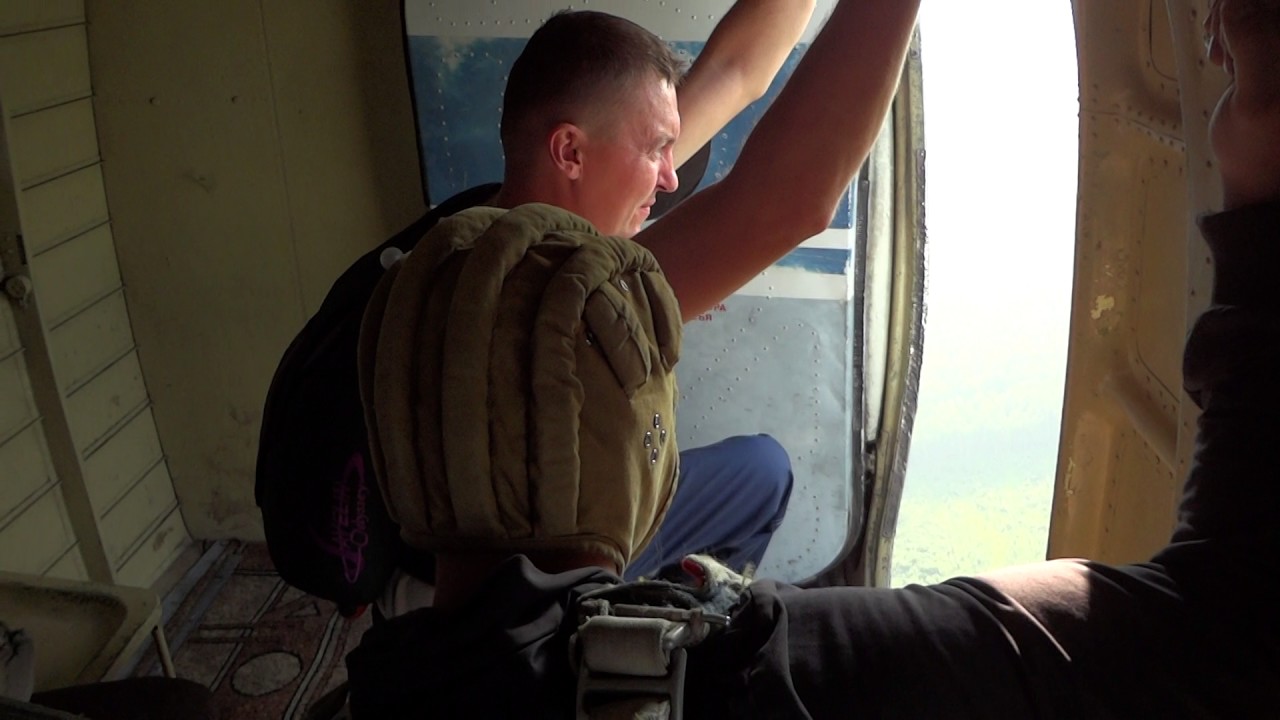
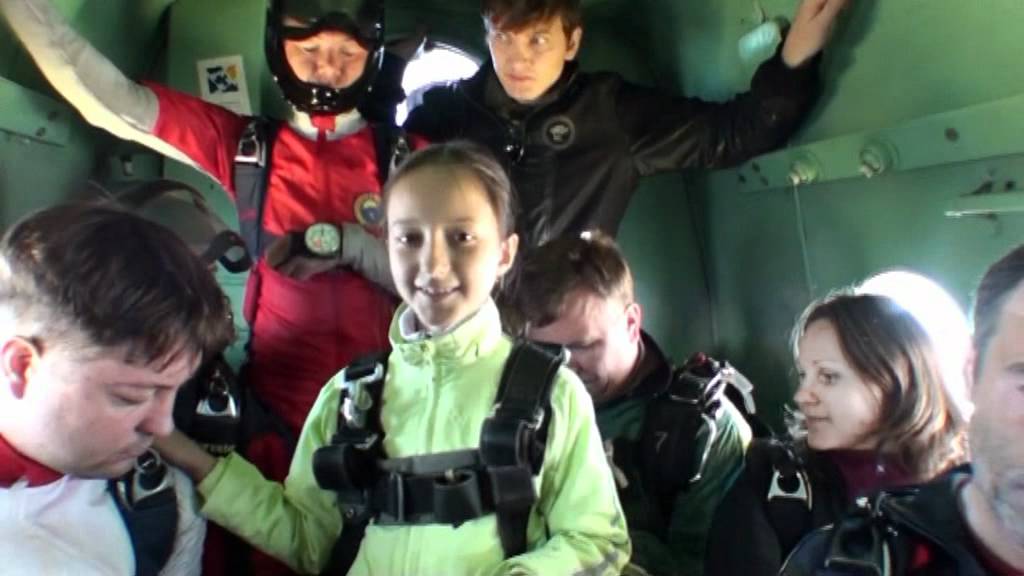
Вот так выглядит прыжок с парашютом с самолёта Ан-2. Почти все - "перворазники". Момент перед прыжком схож по ощущениям с купанием зимой в ледяной воде: инстинкт самосохранения, не смотря на все меры подстраховки, которые ты умом осознаёшь, орёт "Что ты творишь?! Это же дурость!". Но самое главное отключить мозг и шагнуть.
P.S. Особенно радует мрачный мужик у края скамейки, которого на земле друзья долго уговаривали прыгнуть :-)
P.P.S. Я последний в первой группе.

В этом мульт-блоге я расскажу о своём не совсем удачном прыжке с парашютом.
Тут иногда бывают фотки: https://instagram.com/okeyush/
Тут я не пропадаю на месяца ВК: https://vk.com/okeyush
https://twitter.com/OOkeyush
https://www.twitch.tv/okeyushka
Музыка Epidemic Sound. Трек в конце HDBeenDope - Byrd.
#анимация #сторитайм

Канал моего друга!!! https://www.youtube.com/user/vostronik
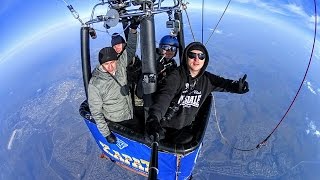
12 апреля 2016 года, в ознаменование 55-й годовщины первого полета человека в космическое пространство пилоты Федерации воздухоплавательного спорта Белгородской области при поддержке Торгового дома "КАРАТ" г. Белгород поднялись на символическую высоту в 5555 метров от земной поверхности (5678 м MSL).
Пилоты гербового аэростата "Белгород" Игорь Поликаренко и Валерий Афанасьев на данную высоту поднялись впервые. С этой же высоты совершил прыжок с парашютом спортсмен-парашютист Александр Спицын.
Огромное спасибо свободному наблюдателю Дмитрий Романенко за уникальные кадры.
Таким образом в активе Федерации сразу два локальных рекорда! С Днем Космонавтики, друзья! :-)
Самый свежий АКТИВАТОР для Windows 10 (KMSAuto_Net_2017) качайте тут: http://dropmefiles.com/xB7gw
*******************************************************************
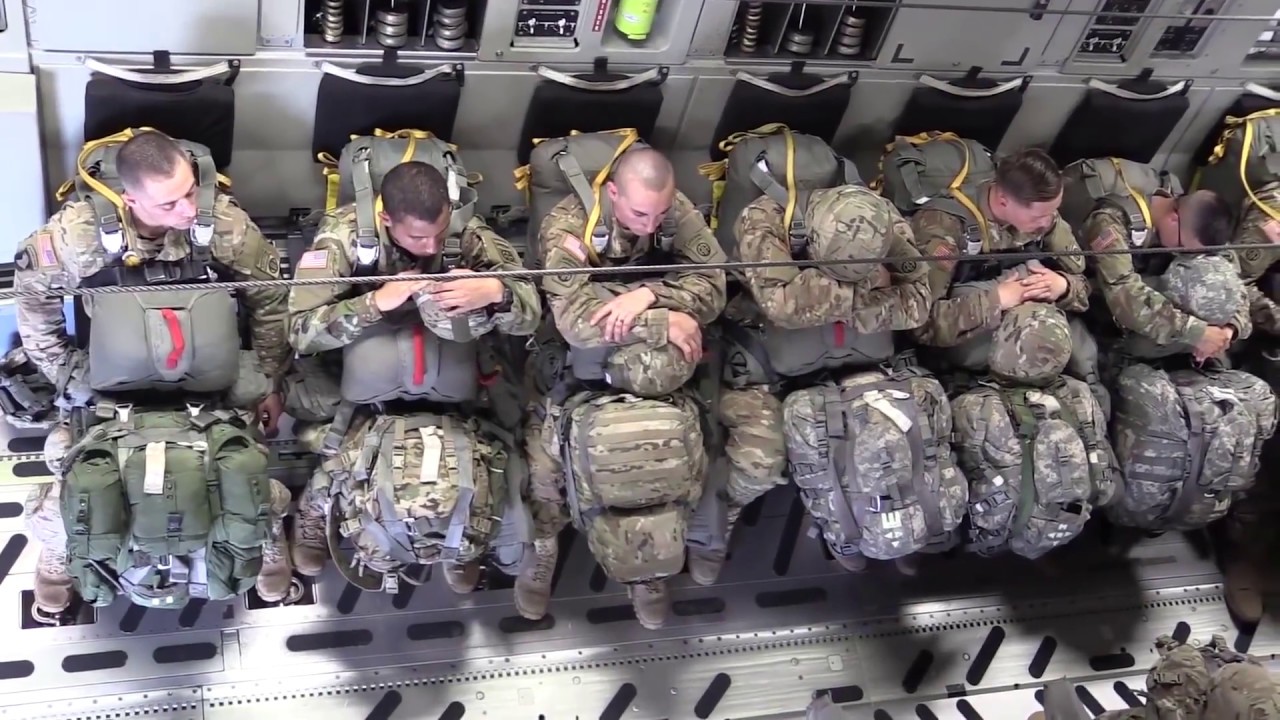
Самый захватывающий и масштабный прыжок с парашютом армия США!!!
Десантники из 82-й и 101-й воздушно-десантной дивизии, армия США, выполняют прыжок с парашютом из самолета C-17 Globemaster III. Прыжок с парашютом армия США выполняет над Сицилийской зоной прыжков в Форт-Брэгг, штат Северная Каролина.

Десантирование военнослужащих 56 гв ОДШБр (г. Камышин) из самолёта ИЛ-76
Еще одно интересное видео: https://youtu.be/WYvv3DRuVLM
Смотреть можно начинать с 2:45.
Прыжок с парашютом Д-6 в ДЗ Киржач.
Снимал на фотоаппарат, обычную мыльницу.
Извиняюсь за мат, эмоции)))
Бонусы новым игрокам в War Thunder - https://wt.link/pryzhki (Не открылось? Отключи AdBlock)
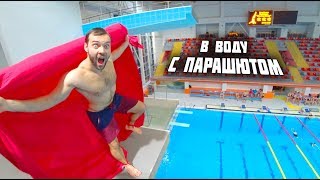
Прыжки в воду с парашютом, самые лучшие трюки с огромной вышки с замедлением. Будет больно, если упасть на живот? Или лучше не делать. Классные моменты засняли на камеру для вас, иначе нам бы не поверили :)
02:33 - получится ли раскрыть парашют с 5 метров?
03:53 - Леха прыгает с парашютом с 10 метров вниз ногами
06:08 - сравнение прыжка с парашютом и без него с 10 метров
07:18 - Илья объясняет как правильно делать прыжок-флаг с 10 метров
09:05 - Вадим Акваблогер пробует прыгнуть плашмя на живот с 10 метров с парашютом
Предыдущее видео: Невероятный прыжок в воду с КАТАПУЛЬТЫ - https://www.youtube.com/watch?v=w9iZ6U6_DNA
Подпишись инстаграм:
▶ Вадим Акваблогер: https://www.instagram.com/babeshking/
Подпишись в ВК:
▶ https://vk.com/babeshking
Алексей Самушенков - https://vk.com/samush
Илья Щуров - https://www.instagram.com/ilya_schurov/
ЗАКАЗАТЬ РЕКЛАМУ: babeshking@wildjam.ru
Подпишись на второй канал: https://www.youtube.com/user/Babeshking - там я рассказываю о своей жизни, тренировках, объявляю результаты конкурсов + там будут стримы и разный эксклюзив.
Про автора:
Меня зовут Вадим Бабешкин (Акваблогер), я мастер спорта по прыжкам в воду, чемпион Европы по клифф-дайвингу (2015), живу в Санкт-Петербурге. Вне спорта я закончил универ и долгое время проработал руководителем в разных интернет-проектах, но в этом году внезапно все бросил и решил полностью посвятить себя спорту и блогу. Путешествую по разным странам, делаю различные трюки и эксперименты, челленджи с нереальных высот.
Помимо прочего, являюсь президентом федерации прыжков в воду Санкт-Петербурга и дико топлю за эффективное развитие спорта.
★ ТОП-ВИДЕО С ГОСТЯМИ ВАДИМА: https://www.youtube.com/watch?v=263nt1AOJNQ&list=PLVTCIV837F1zIvKwxTxDaKLWE6cyR6qrq
★ ЛУЧШИЕ ЧЕЛЛЕНДЖИ В БАССЕЙНЕ: https://www.youtube.com/watch?v=lRLAUWt8-gg&list=PLVTCIV837F1zWlHzXcsmpXOLfPpvaHf0J
ОСТОРОЖНО! ЭТОТ КАНАЛ МОТИВИРУЕТ :)

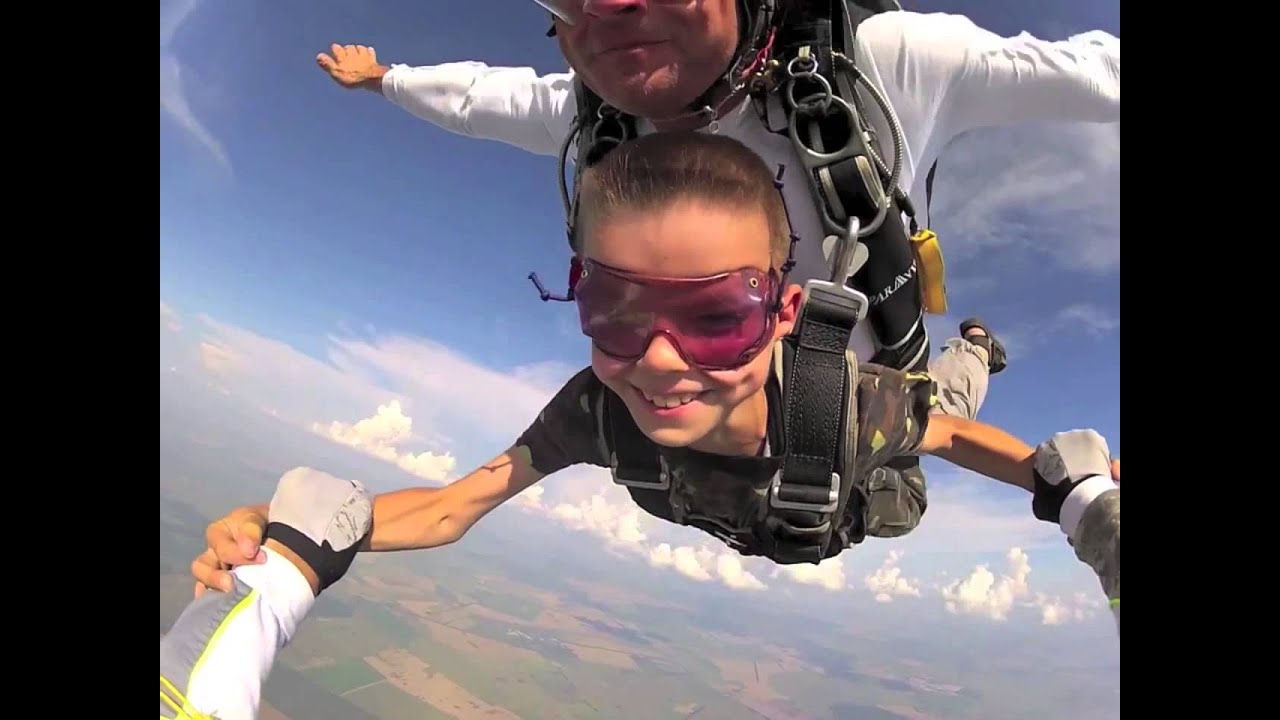
22 августа 2015 года г. Куртамыш Курганской области.
http://skydive.in.ua
http://instagram.com/skydive_ua
http://facebook.com/skydiveua
Первый прыжок с парашютом Киев Чернигов
Подпишись на парашютистов, дружище!
https://instagram.com/solomatin.blog
https://instagram.com/nofearnobrain
МОЙ INSTAGRAM:
http://instagram.com/svyatogr
МОЙ VK:
https://vk.com/svyatogr
За отрывки видео спасибо:
https://www.youtube.com/channe....l/UCK-jvk67rn8Mf6yOI
https://vk.com/squeezy1332
https://vk.com/romas_pro
https://vk.com/gavriil_savelovskymdz
https://vk.com/mr.lakers2001
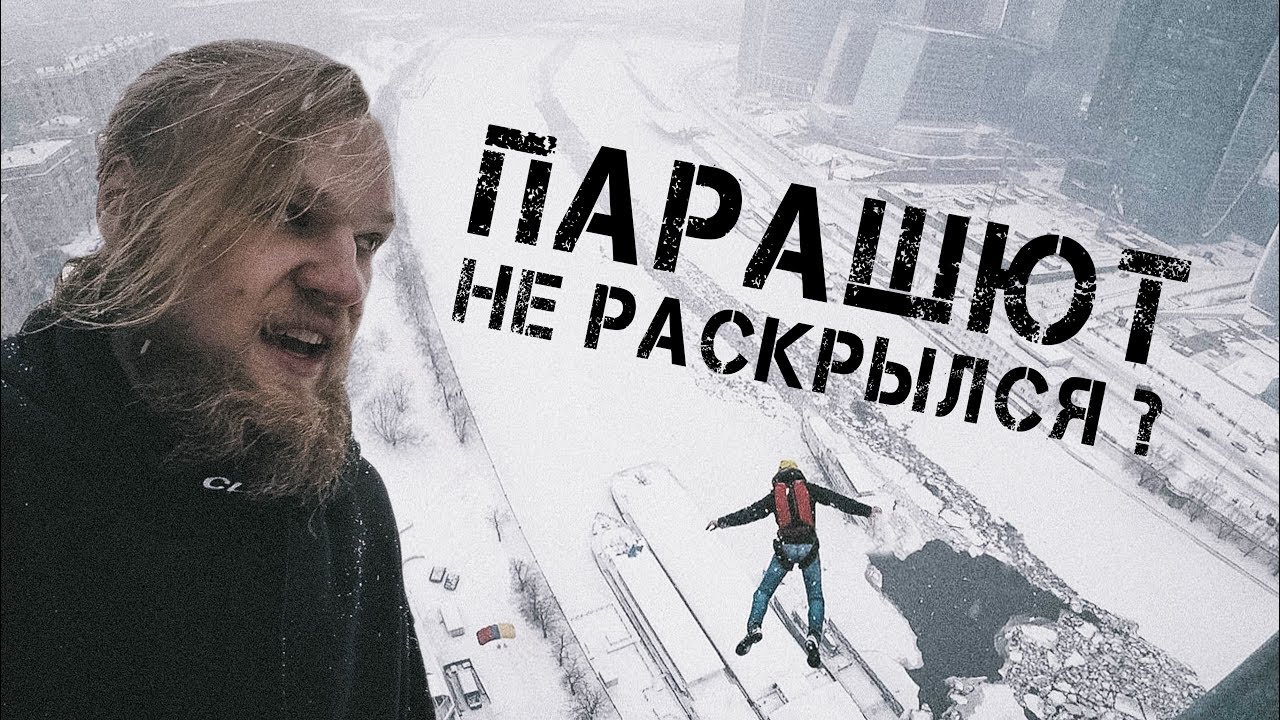
В этой части мы покорили башню 2000 Москва-Сити, но на этот раз уже зимой!

13/13 прыжков с парашютом в игре GTA 5