Топ видео

Готовим говяжий глазной мускул: ингредиенты, способ приготовления, пошаговый рецепт: http://www.tveda.ru/recepty/govyazhiy-glaznoy-muskul-so-shpikom-i-kartofelem/
Подписаться на "ЕДА": https://www.youtube.com/user/EdaHDTelevision?sub_confirmation=1
О проекте:
Как разобраться во всех этих вырезках, лопатках и корейках? Какое мясо лучше запечь, а какое — больше подходит для тушения? Что за непонятные слова «каре», «турнедо» и «рибай»? Сергей Малаховский знает толк в мясе, и он придет вам на помощь! Все тонкости и нюансы приготовления от филе до фарша.
О телеканале:
"Еда" - круглосуточный кулинарный телеканал для гурманов, начинающих экспериментаторов и тех для кого приготовление еды -- вынужденная необходимость. С телеканалом "Еда" легко и удобно находить новые рецепты и учиться готовить вместе с профессиональными шеф-поварами. У нас есть рецепты блюд для любого повода: обычный обед или романтический ужин, утренний кофе или завтрак в постель, праздничный фуршет или вечеринка, пикник или праздник для детей.
Рецепты на все случаи жизни:
В мундире и без: https://www.youtube.com/playlist?list=PLLvQI-H8-PkSgrvngvH32u6sbJ9hdXJVc
Гриль: https://www.youtube.com/playlist?list=PLLvQI-H8-PkTdOjksHNfmtvAHQpjK_L4B
Диетические рецепты: https://www.youtube.com/playlist?list=PLLvQI-H8-PkR4hYhGg8-FHsXj3cVUbKj7
Если ужин быстро нужен: https://www.youtube.com/playlist?list=PLLvQI-H8-PkR2dypfCeKZColXnRnE31-u
Жарка в натуре!: https://www.youtube.com/playlist?list=PLLvQI-H8-PkS-dG-fTESbQQibKyM8YGYD
Как почистить/открыть/нарезать: https://www.youtube.com/playlist?list=PLLvQI-H8-PkRXe_b1ICFrfY_QYyClHcgP
Кухня по заявкам: https://www.youtube.com/playlist?list=PLLvQI-H8-PkRXe_b1ICFrfY_QYyClHcgP
Мировой повар (национальная еда): https://www.youtube.com/playlist?list=PLLvQI-H8-PkT8NebPunPF6APZw0xU9_Xw
Необычные рецепты: https://www.youtube.com/playlist?list=PLLvQI-H8-PkT2T8WQEiOP1UvvyE94_aSA
Принципы приготовления: https://www.youtube.com/playlist?list=PLLvQI-H8-PkS_3-cJ69CmrvS6Zor6kQp-
Пряная луна и сладкий ветер: https://www.youtube.com/playlist?list=PLLvQI-H8-PkS8oZQS6FGQnJ5rUYVxwfAa
Птица. От филе до фарша: https://www.youtube.com/playlist?list=PLLvQI-H8-PkQkJW_Iprvjv524PD84tSNO
Рецепты для детей: https://www.youtube.com/playlist?list=PLLvQI-H8-PkRiQ1aP77nJRBzdxg6G_TuE
Рыба. От филе до фарша: https://www.youtube.com/playlist?list=PLLvQI-H8-PkTABvtain_3OL0cQ8ISej6N
Соусы: https://www.youtube.com/playlist?list=PLLvQI-H8-PkRBr_WGiZO8K5Ji-GvAzfKu
Сладости, выпечка: https://www.youtube.com/playlist?list=PLLvQI-H8-PkQdsG3FzZkBxOFg3qFmvEC2
Сырники без комплексов: https://www.youtube.com/playlist?list=PLLvQI-H8-PkQkXykkoZqNkGZvq_Dwd8I7
Теле-теле-тесто: https://www.youtube.com/playlist?list=PLLvQI-H8-PkQC0oDsnQnTIECoVkWrxUx_
Все рецепты, правила этикета, полезные советы, тонкости приготовления, кулинарные шоу: https://www.youtube.com/user/EdaHDTelevision/playlists?view=1&sort=lad&flow=grid

Уроки кондитера, как правильно и красиво сделать кондитерские изделия из слоеного теста перед выпечкой
Подпишитесь на наш канал ► https://www.youtube.com/user/gepardperm
Оборудование для кондитеров — это широкий перечень устройств, необходимых для создания разнообразных кондитерских изделий. К кондитерскому оборудованию относятся; планетарный миксер, кремоварка, сахародробилка, тестомес, тестораскаточная машина, дозаторы, закатка круассанов, рабочий стол, кондитерская печь и многое другое.
#CONVITO #круассан #слоеноетесто #круассаны #слойка #кондитер #пекарь #кондитерскоеоборудование #МиниПекарня #Даниш#пекарня1 #пекарня2 #пекарня3 #пекарня4 #пекарня5 #ХлебОборудование


Нас предупреждали, что дом сгорит! Но мы не поняли...

Спасибо за просмотр♡
・INSTAGRAM: rita_perskaya https://instagram.com/rita_perskaya
・Email: rita_perskaya@labelup.ru
♡ Макияжи: https://www.youtube.com/playlist?list=PLFF-Jy0yXMDbLUFMrAupwA3aL_qYIBjGz
♡ Покупки: https://www.youtube.com/playlist?list=PLFF-Jy0yXMDblmrIy7-rl6b8kDACL8s_z
♡ Мои Фавориты: https://www.youtube.com/playlist?list=PLFF-Jy0yXMDb6PngKdJB8VVE2W8Ud5zcl
♡ Вопрос-Ответ: https://www.youtube.com/playlist?list=PLFF-Jy0yXMDaeOGBwcwiX8MN_OlMOWNVq
♡ Влоги: https://www.youtube.com/playlist?list=PLFF-Jy0yXMDaeOGBwcwiX8MN_OlMOWNVq

Палетка теней: http://ali.pub/r3lxs
Спасибо за просмотр,лайк и подписку на мой канал!
Я в ИНСТАГРАМ : https://www.instagram.com/kate_sadik/
Email для сотрудничества: sadykova.katia01@mail.ru
Я в вк: https://vk.com/id238173647
Я в аске: http://ask.fm/KatiaSadyk
P.S. Это видео не спонсировано
------------------
Теги:
красить брови,как красить брови,брови карандашом,как сделать брови,макияж,коррекция бровей,красивые брови,брови,идеальные брови,повседневный макияж,брови с нуля,ютуб тренды,красота,косметика

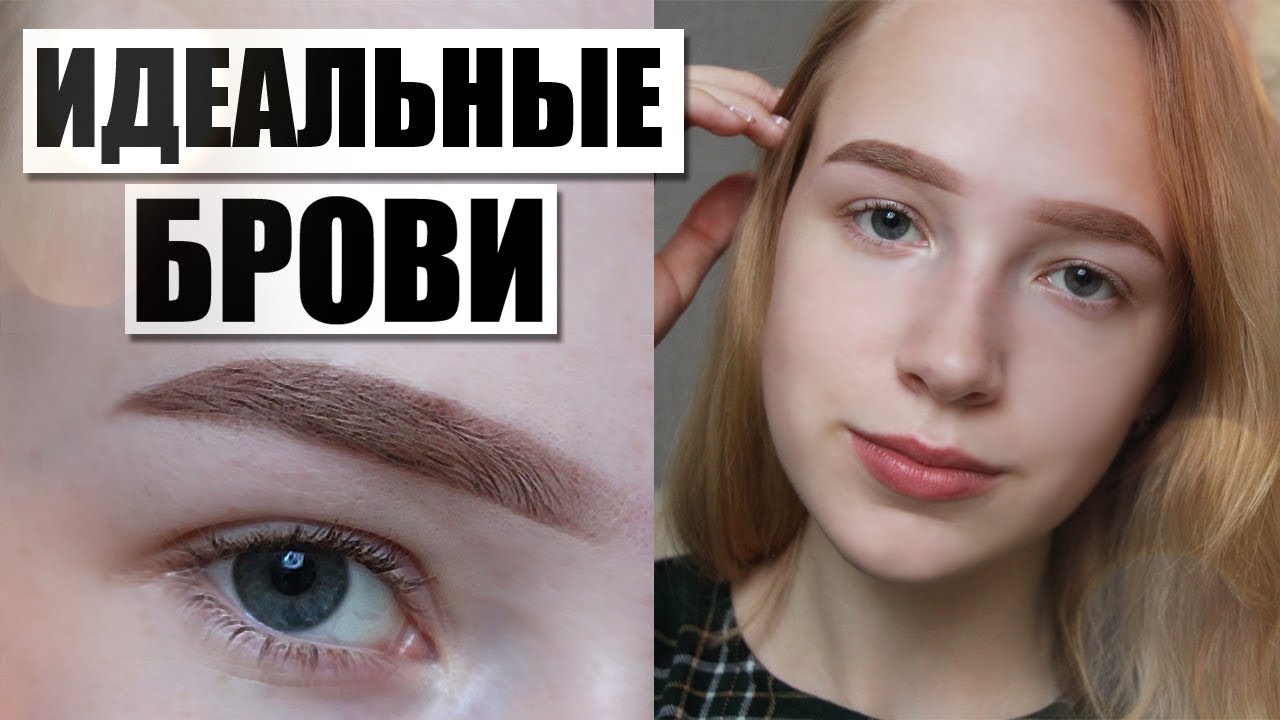
ИДЕАЛЬНЫЕ БРОВИ. Секреты коррекции бровей воском. Как выбрать пинцет? Урок - https://youtu.be/8p8lIjr0s1s
https://goo.gl/ujefUM - пинцет SINART
Выполнила чемпионка Европы по макияжу Синегина Ольга.
http://fresh-art.biz - онлайн школа макияжа
http://vk.com/o_sinegina - по вопросам сотрудничества
http://fb.com/o.sinegina
http://instagram.com/sinegina
Создание видеоролика — студия «Fresh»
https://fresh-d.net
Предыдущее видео: https://youtu.be/9BWYzuJ7tUI
ВК: https://vk.com/darya_deer
Инстаграм: https://www.instagram.com/darya_deer/

Красивый дизайн, современный интерьер. Комната 18 кв.м. При оформлении гостиной 18 кв м главными правилами является не перегрузить пространство и сделать его визуально максимально объемным. Для этого предпочтение стоит отдавать светлым цветам и оттенкам. Так, потолок должен быть максимально светлым, а лучше белым и желательно однотонным. Дизайн интерьера гостиной 18 кв.м. не такая уж и сложная задача. Главное проявить немножко фантазии, упорства и труда и у Вас несомненно все получится! Дизайн и интерьер гостиной 18 кв м — оформление комнаты. Гостиные 18 кв м очень часто встречаются в многоквартирных домах «хрущевской» постройки. А если учесть, что такие дома составляют около десяти процентов всего жилого фонда Российской Федерации, то можно сделать обоснованный вывод, что тема, связанная с оформлением таких комнат еще долго не утратит популярность. Интерьер гостиной 18 кв м нужно оформлять, продумав все до мелочей. Особенно если в комнате необходимо производить зонирование и отделять рабочую зону, зону отдыха и прочие.

Я живу на Манхеттене, где приходится мириться с тем, что квартиры очень маленькие и надо ценить каждый свободный сантиметр, потому для меня особенно важно находить удобные и интересные решения в плане организации домашнего пространства. Надеюсь мой опыт и советы будут вам полезны :)
Не забудьте посмотреть видео девчонок, которые приняли участие в этом проекте:
Настя http://youtube.com/user/MamanyaCom
Оксана - http://youtube.com/user/faberinfo
Аля - http://youtube.com/user/tereschenko2alya
---
В видео были показаны следующие вещи:
Конверт для чеков - http://amzn.to/1cr674q
Набор тонких вешалок - http://amzn.to/1loudFb
Вешалка для шарфов - http://amzn.to/1loudVD
Вешалка для шарфов, ремней, сумок или галстуков - http://amzn.to/1loufgr
Вращающаяся платформа для специй - http://amzn.to/1loufNm
Вакуумные пакеты для путешествий и хранения вещей дома - http://amzn.to/1louhop
Банки для хранения круп с табличкой для мелков - http://amzn.to/1lougkt
---
Ответы на ваши вопросы - http://lizaonair.com/faq
---
Где еще меня можно найти:
Рейтинг Бьюти блогеров - http://lizaonair.com/top
Блог - http://lizaonair.com
Facebook - http://facebook.com/lizaonair
Vkontakte - http://vk.com/lizaonair
Twitter - http://twitter.com/lizaonair
Instagram - http://instagram.com/lizaonair
Одноклассники - http://odnoklassniki.ru/lizaonair
Giveaway randomizer - http://lizaonair.com/giveaway
--
ПРАВИЛА КОММЕНТИРОВАНИЯ:
Главное правило - сохраняйте дружелюбный настрой, даже если вы не согласны со мной или вашим собеседником :)
Комментарии, которые содержат мат, хамство, оскорбления, непрошеную критику или издевки (даже завуалированные) я имею полное право удалять без выяснения обстоятельств.
Давайте уважать друг друга!
-
music by jewelbeat.com

Полезные советы домашнему мастеру. Сборник хитростей и лайфхаков.
МОИ ИНСТРУМЕНТЫ
Мой верстак http://ali.pub/32xzq0
РУЧНОЙ ИНСТРУМЕНТ
Шарнирные тиски Stanley http://fas.st/nmT9n0
Нож для поделок Stanley http://fas.st/vdLeXx
Газовая горелка DAYREX http://fas.st/esoSD
Крепеж для дрели WOLFCRAFT http://fas.st/acgOPv
Крепеж для дрели с Алиэкспресса http://ali.pub/387myp
ЭЛЕКТРОИНСТРУМЕНТ
Дрель DeWALT http://fas.st/WHifx
Болгарка Makita http://fas.st/0jbkh
Шлифмашина Makita http://fas.st/-Ud8t
Гравер Dremel http://fas.st/0754h
Лобзик Makita http://fas.st/xMUjWL
Фрезер Makita http://fas.st/WLcFDW
РАСХОДНИКИ
Сверла DeWALT http://fas.st/5vjUX
ДРУГОЕ
тепловизор http://fas.st/_Ch8U
весы 1000кг http://ali.pub/33dbi9
Строительные смеси
Химический анкер (посмотреть или купить)
http://fas.st/xu_Gm4
Смеси (Посмотреть или купить. Быстрая доставка)
http://fas.st/QmbxT
Посмотреть или купить газоблок
http://fas.st/F_BYX
Друзья, помочь Андрюхе донатом
https://www.donationalerts.com/r/stroyhack
Помогать Андрюхе на Патреоне
https://www.patreon.com/STROYHAK
Не забудьте подписаться на мой канал - https://goo.gl/5DeCTg
instagram https://www.instagram.com/stroyhak/?hl=ru
Сотрудничество и реклама https://vk.com/topic-132011298_35295678
Паблик https://vk.com/public132011298
#стройхак #лайфхак #полезныесоветы
-------------------------------------------------------------------------------------------------
плейлисты
Сборник полезных советов и самоделок для дома и ремонта.
https://www.youtube.com/playlist?list=PLmPa771qWHpA8c_QSzPETmDCIIEPCazwL
Лучшее от Стройхак
https://www.youtube.com/playlist?list=PLmPa771qWHpAKSNydCwuCL9q1z8o_xoQB
Дела домашние
https://www.youtube.com/playlist?list=PLmPa771qWHpBmCFdr4LHg3KH7ZAIaemIS
DIY проекты
https://www.youtube.com/playlist?list=PLmPa771qWHpCnyT0m-QwN7Am-MVFhqyni
Лайфхаки
https://www.youtube.com/playlist?list=PLmPa771qWHpA8c_QSzPETmDCIIEPCazwL
Ремонт в квартире
https://www.youtube.com/playlist?list=PLmPa771qWHpCzFjyoCH1GkmaR5jPy3XHV
Обзоры инструментов
https://www.youtube.com/playlist?list=PLmPa771qWHpCueoQblWPkgIhP0HSU_scI
Все о мебели
https://www.youtube.com/playlist?list=PLmPa771qWHpBAyHjctrNoJGbzsyz82LqB

Подпишитесь на канал 360: https://www.youtube.com/channel/UCu_sa2ZIHKkr5IXqUe7_VpQ?sub_confirmation=1
Врачи дали рекомендации москвичам, как не заболеть в сильный мороз. По словам медиков, люди часто имеют неправильное представление о поведении на улице зимой.
#зима #мороз #холода #врачи #рекомендации
#360 #360новости
Официальный YouTube канал 360. Самые свежие новости страны и мира 24 часа в сутки. На нашем канале кадры с места событий, интересные репортажи, эксклюзивное видео. Новости о жизни Московского региона от масштабных преобразований до семейных историй жителей, политика. экономика, спорт, происшествия.
На канале вы сможете найти интересные кадры с коптера, выпуски МБН, документальные фильмы и тематические программы 360. Мы делаем те новости, которыми хочется поделиться!
• Подпишись на наш FB! https://www.facebook.com/tv360/?fref=ts
• Подпишись на наш ВК! https://vk.com/tv360
• Подпишись на наш ОК! https://ok.ru/tv360
• Подпишись на наш Telegram! https://t.me/tv360ru
• Подпишись на наш Twitter! https://twitter.com/360tv
• Подпишись на МБН в Инстаграм! https://www.instagram.com/mbn360/
Подписывайся!



Вкуснейший творожный #пудинг в духовке.
Этот простой рецепт из творога готовится очень быстро и получается нежным и в меру сладким.
Обязательно приготовьте такой творожный пирог.
РЕКОМЕНДУЮ ПОСМОТРЕТЬ:
▶️ Рецепты из творога ➫ https://www.youtube.com/playlist?list=PL8Jo7jcoC1ZmLIJuvnRdfQRrLFtAt3Z3j
Понравилось видео?
✔ Подпишись на канал - http://bit.ly/GotovDom
✔ Жми на палец вверх! =)
✔ Оставляй своё мнение в комментариях!
★ Давай дружить:
Instagram | https://www.instagram.com/gotovim___doma/
Facebook | https://www.facebook.com/GotovimDomaNet
Одноклассники | https://ok.ru/gotovimdomanet
ВКонтакте | https://vk.com/gotovimdomasop
Pinterest | https://www.pinterest.com/Gotovim_DOMA/
Мой сайт | https://gotovim-doma.net
ИНГРЕДИЕНТЫ (у меня форма 26x16 см)
творог - 350 г
яйца - 4 шт.
сахар - 3 ст. л.
манная крупа - 4 ст. л.
сахар ванильный - 8 г
разрыхлитель для теста - 1 ч. л.
СМОТРИ ТАКЖЕ ПЛЕЙЛИСТЫ:
▶️ Домашнее печенье ➫ https://www.youtube.com/playlist?list=PL8Jo7jcoC1Zk_OtyGK0qjqDDmMC_wSMwy
▶️ Лучшие Десерты и Торты без выпечки ➫ https://www.youtube.com/playlist?list=PL8Jo7jcoC1Zlxr0ZsvsSzJxKXbhL2snP2
▶️ Рецепты к Новому Году ➫ https://youtu.be/sQOgKUKJGF8?list=PL8Jo7jcoC1ZkT4q_qVdYV_FYkB_d6YVVo
▶️ Салаты ➫ https://youtu.be/xJzdOz5MdA4?list=PL8Jo7jcoC1Zm9hL9MwEC8mOkDJ4774QC8
▶️ Закуски ➫ https://youtu.be/VQI4GSJmsGk?list=PL8Jo7jcoC1ZkUsdLwKUvzix0n4kNG8Icb
▶️Десерты ➫ https://youtu.be/Q5FaZ7Gvxlg?list=PL8Jo7jcoC1Zl86WRELy8OxwgytBnv9N55
▶️ Торты ➫ https://youtu.be/lljG9RiwzpQ
▶️ Украшение тортов ➫ https://youtu.be/oH47P65yFqM

В этом видео я покажу вам, как я крашу свои волосы в домашних условиях, сама)
Спасибо за ЛАЙК и ПОДПИСКУ! ^_^
Я в вк: http://vk.com/id895323
Мое окрашивание волос)
Это вторая часть видео о покраске волос. Как сделать цветные волосы Омбре. Показываю технику окрашивания, рассказываю чем крашу.
Всем привет^_^ Меня зовут Свасти)
На моем канале вы найдете разные видео о волосах, косметике, макияже, обзоры покупок, смешные видео и просто для настроения) Еще я немного рассказываю о себе и о своей жизни. Рада видеть вас тут, читаю все ваши комментарии и благодарю за каждый пальчик вверх!) Впереди много интересного, присоединяйтесь!)
Как покрасить волосы в омбре. Как сделать окрашивание?
Покрасить волосы омбре в домашних условиях быстро и дешево
В этом видео я покажу вам, как я крашу свои волосы в домашних условиях,...
Как сделать окрашивание омбре дома? Как покраситься самой?
Как сделать ЦВЕТНЫЕ ВОЛОСЫ Омбре ДОМА. Как Покрасить Волосы
Смотрите так же:
ПОКУПКИ: iMac, H&M, O'STIN, Bershka и не только) https://youtu.be/De6QIyGUo_Y
ДЕЛАЮ МАКИЯЖ БРАТУ! НЕВЕРОЯТНАЯ КРАСОТКА! https://youtu.be/K5z3UH8eJc8
МАКИЯЖ ОТ МОЕГО БРАТА! ВИЗАЖИСТ ОТ БОГА! https://youtu.be/wQGBE-itsvk
Как я Поддерживаю Фигуру Дома! Моя Тренировка! https://youtu.be/pOleJwzzi3I
Как сделать ЦВЕТНЫЕ ВОЛОСЫ Омбре ДОМА. Как Покрасить Волосы https://youtu.be/COGoguKZTE8
ПОКУПКИ: FiX Price, Уход для Волос, Косметика и не только) https://youtu.be/KQYZlFa9R7E
ЭТО ТО, ЧТО ДЕЛАЕТ МЕНЯ ЛУЧШЕ! https://youtu.be/e6lpgTZFovk
Мария Вэй, Катя Клэп, Спанч (Губка) Боб в Моей Жизни! И не только) https://youtu.be/65BYFC-p4Nk
МОЙ УХОД ЗА ВОЛОСАМИ! https://youtu.be/EHSG-Rp8R88
МАКИЯЖ НАУГАД!!! CHALLENGE! https://youtu.be/nBU-4Vy6Gc4
ПОКУПКИ: FIX Price, духи Demeter и не только) https://youtu.be/c5uvC6DOsEk
ИСТОРИЯ моего КАНАЛА! 50 000 подписчиков! https://youtu.be/KXn6BPKBMKk
МОЙ Повседневный, Легкий МАКИЯЖ! https://youtu.be/6Ec5wtx4xGk
ИСТОРИЯ МОИХ ВОЛОС! Всё про мои волосы. https://youtu.be/1V78Ah0bz5Y
КАНИКУЛЫ! КАТАЕМСЯ В БАГАЖНИКЕ! ТРЕШ! https://youtu.be/Hh0Ci09bxa8
ГДЕ Я ЗАКАЗЫВАЮ ОДЕЖДУ??? Космос и не только https://youtu.be/p_Ur9IFsAIc

По вопросам РЕКЛАМЫ пиши сюда: spletnyzvezd@gmail.com

Щи из свежей капусты. Как приготовить самые вкусные щи из свежей капусты. Пошаговый видеорецепт как легко приготовить вкусные щи.
Рецепт:
вода 2.5 литра
мясо говядина с косточкой 1 кг
картофель 600 гр
капуста 500 гр
болгарский перец (половинка)
морковь 1 шт
лук 2 мелк
масло растительное
томатная паста
паприка сухая
приправа из сушеных трав
лавровый лист
На нашем канале вы найдете для себя очень много интересных рецептов от простых до самых сложных: супы, салаты, закуски, коктейли, десерты, блюда из мяса и птицы, блюда из рыбы и морепродуктов, блюда из овощей, молочные блюда, вкусную выпечку, в общем еда наш профиль.
Подписывайтесь на канал: http://www.youtube.com/channel/UCrHJXxH2ILsPzRH9gVO-ZAg?sub_confirmation=1
Добавляйтесь в друзья vKontakte: http://vk.com/vkusno_sytno
Добавляйтесь в нашу группу: http://vk.com/club_vkusno_sytno
Добавляйтесь в друзья в Facebook: http://facebook.com/vkusno.sytno
Подписывайтесь в Pinterest: http://pinterest.com/vkusno_sytno/
Production Music courtesy of Epidemic Sound!
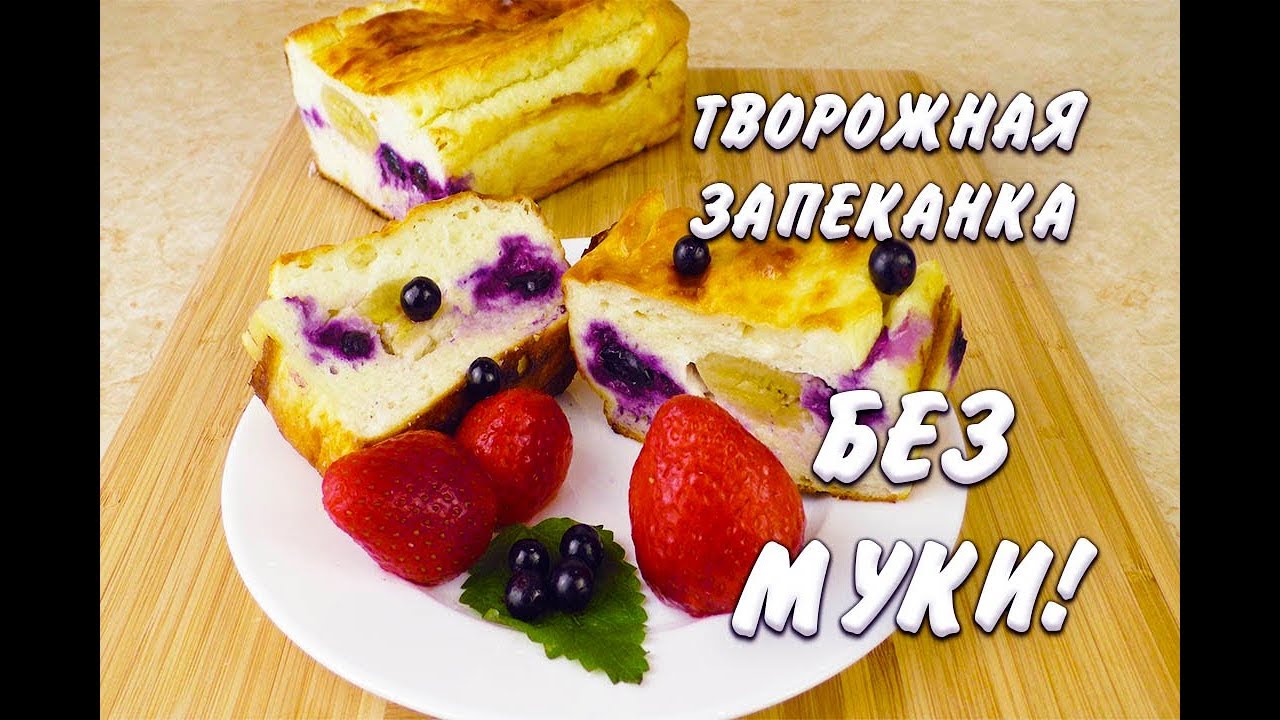
Творожная Запеканка Без Муки Лучший Рецепт при похудении Запеканка Ем и худею Похудела на 39 кг
Для изумительной Творожной Запеканки Без Муки:
Творог - 600 гр
Яйца - 2 шт(1 желток оставить для смазывания верха запеканки)
Семолина - 2 ст.л.(манка из твердых сортов пшеницы)
Крахмал - 1 ст.л.
Разрыхлитель - 1 ч.л.
Сахар ванильный - 1 ч.л.
Сахар - 2 ст.л.
Соль - 1 щепотка
Банан - 1 шт
Ягоды по вкусу
Растительное масло для смазывания формы
Выпекать при 180 градусах в разогретой духовке 35-40 минут
Приятного Вам аппетита!)))
Похудела на 39 кг Лучший Рецепт Творожная Запеканка Без Муки при похудении Запеканка Ем и худею
Для коммерческих запросов: marymironevich@gmail.com
Дневник питания: https://clck.ru/FrHw7
Питание и меню: https://clck.ru/FrHxb
Как ПОХУДЕТЬ: https://clck.ru/FrHyY
Рецепты при похудении: https://clck.ru/FrHys
Отчетные дни: https://clck.ru/FrJ28
Психология: https://clck.ru/FrJ3B
Разбор диет: https://clck.ru/FrJ46
СПОРТ: https://clck.ru/FrJ4e
Рецепт Томатного Соуса: https://clck.ru/FsxJR
Рецепт Супа для Похудения: https://clck.ru/FsxSs
Рецепт Венских Вафель: https://clck.ru/Fu4p2
Мы теперь можем общаться в ВК https://vk.com/id542860144
Инстаграм https://www.instagram.com/p/BxjXTPkl1sH/?igshid=dvg2e8wnqjel
Почему не работает подсчет КБЖУ https://clck.ru/G5RmK
Питьевой режим https://clck.ru/G5Rot
Ответ подписчикам https://clck.ru/G5Rw8
Сладкое при похудении https://clck.ru/G5RzX
Эффект чайного пакетика https://clck.ru/G5S6R
Соус вместо майонеза https://clck.ru/G5SCF
Что я ем и худею https://clck.ru/G5SLN
Моя физическая активность https://clck.ru/G5SSC
Рецепт хлеба https://clck.ru/G5SXp
Перекусы https://clck.ru/G5Sq3
Срывы https://clck.ru/G5Sy4
Топ 5 лайфхаков на праздники https://clck.ru/G5T5n
Меня зовут Мария Мироневич Два года назад я весила 120 кг Сейчас я похудела на 39 кг и продолжаю снижать свой вес.Я худею без диет,без спорта,без изнурительных тренировок и голодания.Мой метод похудения состоит из многих частей и он очень эффективен.Им способен воспользоваться практически любой человек,который хочет похудеть.Но! Для этого необходимо приложить минимальные усилия,изменить свой образ жизни,наладить режим сна и отдыха,режим питания,изменить пищевые привычки.И Вы похудеете!Похудеете так,как Вы и мечтать не могли!
В этом видео я Мария Мироневич делюсь с Вами очень интересным рецептом.Это замечательное блюдо называется Творожная Запеканка Без Муки
#мариямироневич #худеюбездиет #какпохудеть #емихудею

Приветствую вас. Александр поделился опытом использования шахтного котла Таймень с контроллером управления Евросит. Обвязка куплена с сайта Таймень.
Заходим в группу Ватсапп Альтернативная энергия. Ждём новых друзей.
https://chat.whatsapp.com/6ZXZjCgcE4J8XVCJFOYg1F

альтернативная энергия

Мы переживаем первые морозы в новом доме с отоплением тепловым насосом. Делимся эмоциями и наблюдениями.
На дрова - Карта сбербанк 639002389058562596
Яндекс кошелек https://money.yandex.ru/to/4100160780283
И некоторые другие способы http://donatepay.ru/d/konstantinovy
Помочь нам заработать на стройку:
На что именно мы принимаем заказы: https://youtu.be/W4U7fzYgQV0
Все это обсудить можно в контактике https://m.vk.com/frankosy
Наш рабочий деревяшечный инстаграм https://www.instagram.com/derevyashki/
Купить деревянный подарок прямо сейчас из того, что есть в наличии https://www.instagram.com/nalichie
Наш второй канал. Все, что остается за кадром. https://www.youtube.com/channel/UClnGLShEXdfp6s5ID8BOCfA

В этом выпуске: система отопления на базе геотермального теплового насоса и вентиляции на основе рекуператора воздуха со встроенным тепловым насосом и шестиступенчатой системой фильтрации воздуха. Скважины, коллекторы, компрессоры, буферные емкости, трубы, баки – вы увидите своими глазами, как проста в использовании и эстетична может быть котельная!
Узнаете о 4 видах тепловых насосов и специфике их функционирования, обсудим особенности потребления и цели установки для домов постоянного и временного проживания, сравним с газом стоимость потребления и обслуживания.
Остались вопросы по теме тепловых насосов? Смело пишите комментарии и делитесь особенностями эксплуатации, продолжим дискуссию!
Алексей в соцсетях:
Фейсбук https://www.facebook.com/araveryanov
Инстаграм https://www.instagram.com/araveryanov/
Андрей в соцсетях:
Инстаграм https://www.instagram.com/a.v.rudnev/
Фейсбук https://www.facebook.com/andreyrudnev.andrey
Youtube https://www.youtube.com/channel/UCxWoaOiRQLXBqSlC0x6y1Sw
Стенограмма выпуска: https://goo.gl/3jvhfz
#Инженерия #ЗагородныйДом #ОтоплениеДома #ТепловыеНасосы #АндрейРуднев #VigorCentre #VDT #АлексейАверьянов #ЭлитнаяНедвижимость

Все мы помним как компания Тесла еще в 2016 году объявила о начале массового выпуска систем «солнечной черепицы» Solar Roof, которые практически полностью обеспечивают частный дом электричеством. Обходится дешевле, чем обычная черепица, а в некоторых случаях система позволяет еще и хорошо заработать, продавая государству излишки энергии. Прошло 3 года с момента презентации. Где эта технология, и почему мы не видим её тотального распространения?
Возможность использовать крышу дома в качестве солнечного накопителя электричества напрашивается сама собой. Самые прогрессивные бытовые солнечные панели устанавливаются как раз на крыше. Вот Маск и решил по просьбе американских трудящихся серийно выпускать кровельные солнечные панели по адекватной цене. Мало того, задача состояла в том, чтобы полностью заменить традиционные кровельные материалы энергоэффективными.
#маск #тесла #tesla
Поддержите канал лайком и поделитесь этим видео с друзьями.
Production Music courtesy of Epidemic Sound https://www.epidemicsound.com/
ATTRIBUTIONS:
Copyright Free Images From Pixabay: https://pixabay.com/