Top videoer
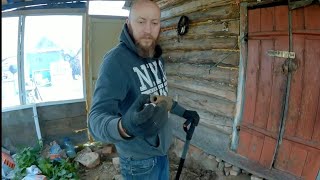
Я периодически сталкиваюсь с таким мнением, что за меня всегда работает кто-то другой, другие люди... Вот я и решил разоблачить самого себя (БАТЮ)! Раскрываю все свои секреты, пока их не раскрыл кто-нибудь другой...
Сделал простые и очень удобные бункерные кормушки и вакуумные поилки для кроликов!
Поддержать проект материально можно по следующим реквизитам, либо просто лайком и репостом!))
донаты из любой страны:
https://www.donationalerts.ru/r/rachkok
Яндекс кошелек https://money.yandex.ru/to/410015319078865
Пластиковая карта Янлекс деньги mastercard
5106218033728429 до 03/22
Вебмани:
Z378080952656
Банковская карта (белгазпромбанк): 4286217913124076 до 01/20
Мой кулинарный канал:
https://www.youtube.com/user/MrRachkok
Спасибо всем за поддержку!

Все мы знаем, кто такая инстасамка. Недавно Никита Лол сделал на нее разоблачение. В этом видео я расскажу вам суть конфликта инстасамки и Никиты Лол.
Друзья, надеюсь вам понравится это видео. Я очень старался, поддержите меня лайком, подпиской и оставьте свое мнение об этом видео в комментариях.
НАША ГРУППА: https://vk.com/club163046005
МОЙ ВК: https://vk.com/dimatumashev
МОЙ ИНСТАГРАМ: https://www.instagram.com/russiashowyoutube/
МОЙ ВТОРОЙ КАНАЛ:
https://www.youtube.com/channe....l/UCXl8mi0sPIrg8SdQ7
ПО КОММЕРЧЕСКИМ ПРЕДЛОЖЕНИЯМ ОБРАЩАТЬСЯ КО МНЕ В ВК!
● Наша бесплатная группа с сигналами - https://vk.com/instarding (в сообщение сообщества "ПРИМИ В КОМАНДУ")
● Olymp Trade (100% бонус) - https://goo.gl/F7acWW
● Канал с отзывами - https://goo.gl/QEG9NX
БЫСТРОЕ БАБЛО НА POCKET OPTION! РАЗОБЛАЧЕНИЕ ЧАСТЬ 1
#olymptrade #заработок #заработоквинтернете

РАЗОБЛАЧЕНИЕ МРАКОВНЫ!!
Видео: https://youtu.be/v36pprbcA9U
Инстаграм: https://www.instagram.com/supergirlnk

Приветствую! Меня обманули почти на 1.000.000 рублей в казино-онлайн (ДжойКазино)
Если вас тоже обманули в этом казино, то можете написать мне в личные сообщения. Будем вместе добиваться справедливости от этого казино!
https://vk.com/id337241126
#Казино #Развод #Разоблачение
Наши донаты: PAYEER.com: P1004852206. Киви: +79684245352 Яд: 410016664312208 Вэб мани: Z536796571159 R114870738031

Шальной Дед: https://www.youtube.com/channe....l/UCbK0ZAhQ3dnkFMgVZ
МОЙ ВК: https://vk.com/mudriyspike
ГО ЗАДИЗИМ МУДРОГО ДЕДА, ВОТ ЕГО КАНАЛ: https://www.youtube.com/channe....l/UCeqZHQ-EqgDqjqqOG
мудрый спайк, brawl stars, бравл старс, кубки, топ россии, нита, фэйлы, смешные моменты, funny moments, смешной монтаж бравл старс, masterm, эль примо, угарный монтаж бравл старс, имба, джин, карл, аурум, аурум фанни момент, холдик, зебраил, шампанов, фараон бравл старс, мма раша бравл старс, лал ю бравл старс, эпичные победы бравл старс, фэйлы бравл старс, реакции бравл старс, битва сундуков бравл старс, как хайпанул мудрый дед бравл старс, как хайпанул рикардо примос бравл старс, мудрый спайк, дед, brawl stars, магазин на проверку, проверка магазина рикародо примоса, проверка магазина мудрого деда, dedprimos.5tore.ru, проверка магазина dedprimos.5tore.ru, проверка dedprimos, магазин с кейсами в бравл старс, pasha creativ, ios, android, мудрый дед, сайт мудрый дед, магазин мудрого деда, жесткий окуп, окупотдеда, проверка магазина brawl stars, мудрый дед кинул, проверка магазина, проверка групп, pashacreativ, проверка, мой магазин, тащерка, где купить акки, как купить, holdik, открытие боксов, как выбить, как выбить легу, лега, bs, brawlstars, превиак, лега бс, igorfox, brawl, базя, холдик кинул, магазин, игорь, #дедзырь, #дедусзырь, #матраспогляди, #блэтпосмотри, #эрбисмотри, #айспосмотри, #михазырь, дарк няш, дарк няш разоблачение, дарк няш разоблачение сайта, дисс на дарк няша, дарк няша обманщик, дарк няша стрим, дарк няша забанили, обнова бравл старс, бравл старс монтаж, джеймс банана бравл старс, дарк няш отрезал дреды, дарк няш разоблачение канала, darknyash, darknyash обманщик, dark nyash дебил, dark nyash разоблачение, дарк няш сайт, дарк няша кидок, дарк няш рейд, darknyash стрим, james banana, бравл старс розыгрыш, rolton brawl stars, petrich, бс, бравл, старс, stars, обновление в бравл старс, новый персонаж бравл старс, баланс бравл старс, как поднять кубки в бравл старс, кубки бравл старс, гайд бравл старс, айсероу, icearrow, icearow, acearow, разоблачение айсероу, айскроу, разоблачение айскроу, айсероу спалил лицо, айскинг, брат айсероу, айсероу лицо, icearrow лицо, сколько лет icearrow, сколько лет айсероу, братство френков, френки бравл старс, #дедулязырь#фрэнкзырь#михазырь#матраспогляди#бухарьзырь#фрэнкзырь#дядяфрэнкзырь#примосзырь#дедглянь, даркняш разоблачение, icearrow разоблачение, дарк няш айсэроу, айсероу удаляет канал, последнее видео айсероу, последний ролик айсероу, последнее видео на канале icearrow, icearrow удаляет канал, icearrow удалил канал, айсероу даркняш, icearrow darknyash, дарк няш стрим, дарк няш врун, дарк няш врет, второй канал icearrow, второй канал дарк няша, петрич, дарк няш удалил видео, рикардо примос, оскорбитель, даркняш, дед бравл старс, примос монтаж, как выбить легу даркняш, глоабльное обновление бравл старс, разоблочение даркняша, шок...что вытворяет дед, мудрый дед

ELCLASSICO - промокод, который сделает тебя счастливее)))
МОЙ ИНСТАГРАМ: https://www.instagram.com/german_popkov/
ГРУППА В ВК:https://vk.com/german_el_classico
____________________________________________________
Гуркин:https://www.youtube.com/channe....l/UCxi7xwJa9385bfsg6
Герман:https://www.youtube.com/channe....l/UCnhetBazRft6C6e23
______________________________________________________
Разоблачение Месси и Салаха! Реклама ПЕПСИ ФЕЙК!
Понравилось видео? подпишись: https://www.youtube.com/user/ElclassicoWS
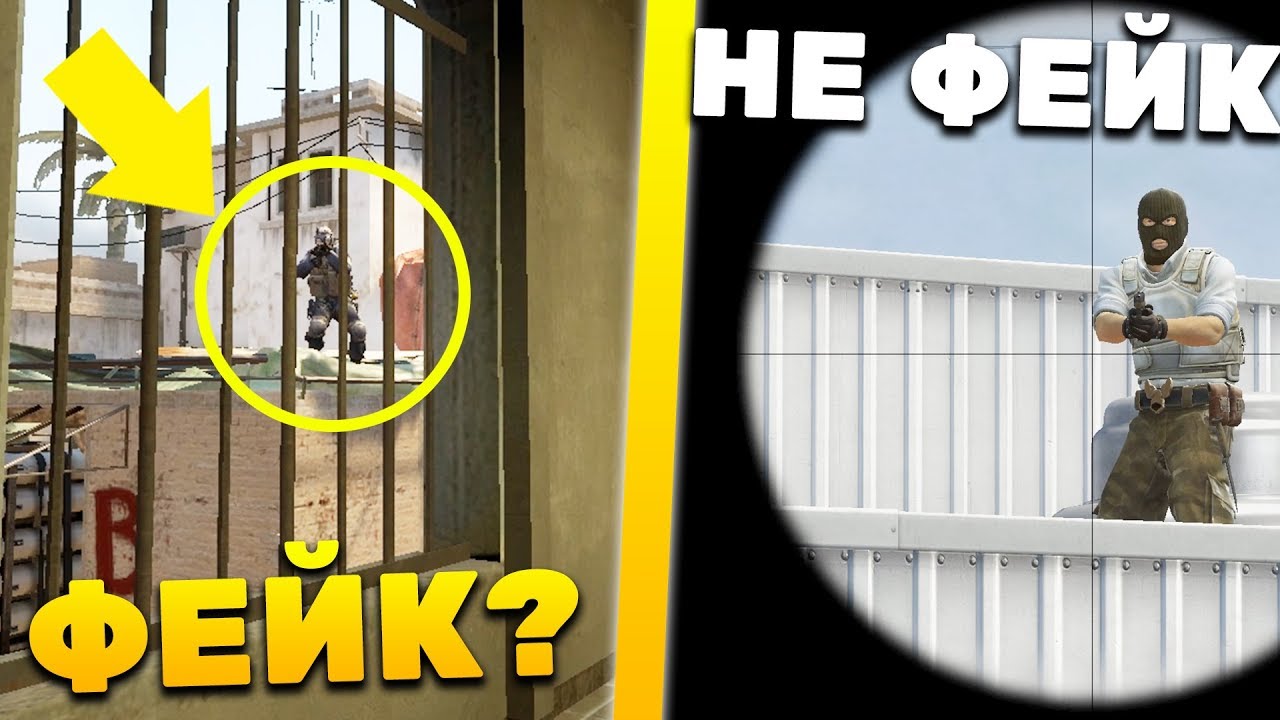
РАЗОБЛАЧЕНИЕ НОВЫХ ФЕЙК МОМЕНТОВ В КС ГО - 35 ЧАСТЬ (CS:GO)
Кейсы - https://mycsgo.gg/
Промо - silentfake
Моменты с каналов:
https://www.youtube.com/channe....l/UCggtOZKpA_QABN1-v
https://www.youtube.com/channe....l/UC7cb1TEepRWl5Tjzv
https://www.youtube.com/channe....l/UCbp1S21nxuM2P9tdW
я vk - https://vk.com/id244728298
мой steam - https://steamcommunity.com/id/mrsilentshow/
Музыка в начале - nuttkase - hearty meal

Еще больше истины: https://www.youtube.com/watch?v=oUMjguB8zrs
Кто такой Иисус Христос? Разоблачение древнего заблуждения!
Who is Jesus Christ? Exposing the ancient delusion!
автор: https://vk.com/id_el_iv
1-й Креационистский Киевский Астроклуб: https://www.youtube.com/channe....l/UChB3deQJaLeeno9vw
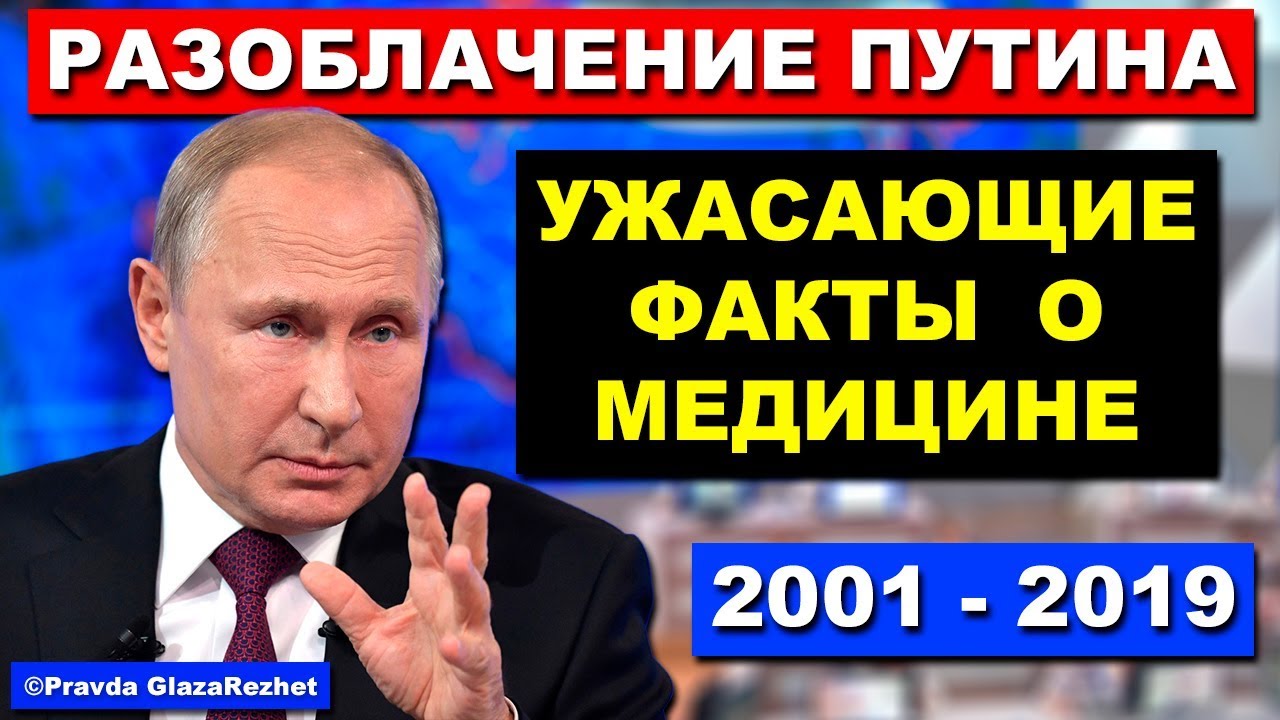
19 лет Сказочный решает проблему здравоохранения в России, но всё не может решить.
Каждый год на прямой линии ему жалуются на одни и те же проблемы и Путин обещает их решить.
А на следующий год он делает вид, что впервые слышит о проблеме, или просто отмазывается.
Каждый год для Путина проблемы здравоохранения - это приоритет и ключевая задача.
Я собрал таблетки для памяти со всех прямых линий с Путиным с 2001 по 2019 годы
02:32 - Прямая линия 2019 Обзор Сказочной заботы.
12:58 - Прямая линия 2001 Путин обещает увеличить зарплаты и сохранить доступную медицину.
14:09 - Прямая линия 2002 Путин сожалеет, что мало сделано и планирует новый закон.
15:41 - Прямая линия 2005 Обеспечить людей лекарствами Путину мешают прорехи.
19:03 - Прямая линия 2006 Путин знает способы повысить зарплаты, но не применяет их.
20:40 - Прямая линия 2007 Инвалидам можно не доказывать что у них нет конечностей.
23:20 - Прямая линия 2013 Путин обращает внимание Правительства на сокращение ФАПов.
26:29 - Прямая линия 2014 Путин удивлён, что закрываются ФАПы и делает вид что впервые слышит.
32:01 - Прямая линия 2015 Путин обещает решить вопрос в искусственной вентиляцией лёгких.
35:53 - Прямая линия 2016 Путин включает дурака и отмазывается. Ни один ребёнок аппарат так и не получил.
40:12 - Прямая линия 2017 Путин обещает решить вопрос с лекарствами и больницей.
47:39 - Прямая линия 2018 Вопрос с больницей Путин не решил и приступает решать новые вопросы.
Спонсировать канал: https://www.youtube.com/channe....l/UCgCqhDRyMH1wZBI4O
Youtube: https://www.youtube.com/c/pravdaglazarezhet
VK: https://vk.com/pravdaglazarezhet
ОК: https://ok.ru/pravdaglazarezhet
Facebook: https://www.facebook.com/PravdaGlazaRezhet/
Twitter: https://twitter.com/PGRTV
Вы можете поддержать меня не только добрым словом:
ЯД: 410012950237581
WebMoney: R066909345176 / Z687982563393
Перевод Вконтакте: https://vk.com/dimagrunt
Bitcoin: 1J4SrXKhrjzh8oNyYSt7Cwf5PVt78RFjNn
Bitcoin Cash: qzajpa7gawr4k8m44lc7tjrrrqgmkex7ny85uwc727
Ether: 0xA7B53526C3bDD959C8BC75617402d5525508a918
#Путин #Здравоохранение #Россия #Медицина #ПрямаяЛиния #2019 #Жалобы #ВопросПутину #Новости #Политика #Врачи #Зарплата #Прорыв #Рывок #Вопрос
#PravdaGlazaRezhet #Pravda
Полное разоблачение Путина. Ужасающие факты о медицине в России

Поддержка канала и стрима (по желанию): https://www.donationalerts.com/r/vladwolfram

Пару дней назад автор канала "на минималках" выпустил видео о том что ему пришел счет за воду. Так как я полностью посмотрел его видео "режу воду 10 часов" я знаю сколько на самом деле времени он снимал. Поэтому я решил выпустить это "разоблачение".
Вы можете зайти на его видео, выбрать любой указанный ниже таймкод и убедиться в том что видео повторяется через каждые 7 минут (05:14, 13:15, 21:17, 29:18, 37:20, 45:21, 53:22, 01:01:24)
Смотрю Полное Видео - режу воду 10 часов
(https://www.youtube.com/watch?v=531UbCWJWTA&t=29891s)
ВК - https://vk.com/id85620413
Инста - https://www.instagram.com/sj_sam_jones/
Канал в Телеграм - https://t.me/sam_jones
Tea Time by GoSoundtrack http://www.gosoundtrack.com/
Creative Commons — Attribution 4.0 International — CC BY 4.0
https://creativecommons.org/licenses/...
Music promoted by Audio Library https://youtu.be/KyxEZeOXe9w

Сайт фестиваля vrfest.ru Если надумаете, покупать билет, напишите мне. Дам промокод со скидкой.
Фильм "Современное искусство. Великий мыльный пузырь" - https://youtu.be/LwW5izlAI2s
Поддержать меня рублем: https://money.yandex.ru/to/41001446325155
Мой инстаграм, где я выкладываю минутные видео с полезными советами: https://www.instagram.com/aeroartist

По всем вопросам проекта Спортфаза: Алексей Мокшин https://www.instagram.com/aleksey.mokshyn
ИНСТА Кайлера: https://www.instagram.com/doctor.deadlift
ИНСТА Ларри https://www.instagram.com/larrywheels

Наши друзья тусуют тут: https://goo.gl/pz6TmJ
МОЙ ИНСТАГРАМ: https://www.instagram.com/german_popkov/
ГРУППА В ВК:https://vk.com/german_el_classico
Инстаграм АМКАЛА:https://www.instagram.com/amkal_official_/
САШКА ЗИНЧЕНКО: https://www.instagram.com/zinchenko_96/
СПИРИЧ: https://www.youtube.com/user/Spiderzhen1
НЕЧАЙИЧ: https://www.youtube.com/user/VideoEurosport
РОМАРОИЧ: https://www.youtube.com/user/146Romario
СИБЫЧ: https://www.youtube.com/channe....l/UCQb-At7bmQ9ZNtBjF
СУПЕР ОПЕРАТОР: https://www.instagram.com/zhdanovitaliy/
Сегодня вы увидите РАЗОБЛАЧЕНИЕ РЕКЛАМЫ, КОТОРАЯ РАЗОРВАЛА СЕТЬ! ПОЛЬ ПОГБА невероятно принимает мяч на интервью! 100% монтаж
Понравилось видео? подпишись: https://www.youtube.com/user/ElclassicoWS

Сегодня я вам расскажу об одном проекте, который в последнее время так активно пиарят ТОП-блогеры Дневник Хача, Лиса Рулит, Гордей и др, проект который якобы помогает населению зарабатывать деньги путем вложения их в эту компанию. Эти мошенники называются StartCom, приятного просмотра и будьте внимательны к своим любимым блогерам
Все сторонние материалы в ролике были использованы с целью обзора и критики:
Канал ДЕНЕГ.НЕТ - https://www.youtube.com/channe....l/UCKsQ79FRdsh5WlXrw
Презентация СтартКом - https://www.youtube.com/watch?v=B_TPSVzXy98
Лиса Рулит (видео с рекламой) - https://www.youtube.com/watch?v=N5L_gOeTO5M
===Я В СОЦ.СЕТЯХ===
INSTAGRAM: https://www.instagram.com/dviznov/
VK: https://vk.com/dviznov
Рекламные/деловые вопросы - dviznov@wildjam.ru

Учебный фильм

Оказывается что стружка из подшипников тоже может проникать внутрь этого насоса высокого давления.
Услуги СТО "Ковш": https://kovsh.com/service
Неисправности дизельного двигателя:
https://kovsh.com/popular/diesel_engine_troubles
Механические неисправности двигателей:
https://kovsh.com/popular/engines_troubles
Поблагодарить создателей канала: https://kovsh.com/donate_u

Автомобильное зарядное устройство 12V24V: http://ali.pub/26ml49
Бесконтактный лазерный инфракрасный : http://ali.pub/26ml51
компрессометр дизельный : http://ali.pub/26ml8x
шарошки для форсунок : http://ali.pub/26mled
щипцы для хомутов : http://ali.pub/26mljt
Дизелист Арктика http://m.vk.com/club70396522
АвтодизельДВ http://vk.com/club92172384
магазин Дизелист Арктика http://m.vk.com/club89313264
Дизелист Арктика http://ok.ru/group/52698093519036

Канал ТНВД-ОРГ http://www.youtube.com/c/TNVDORG
Сайт по ремонту ТНВД http://tnvd.org/
Сайт по запчастям к ТНВД http://tnvdorg.ru/
Задать вопрос или написать мне на почту newdiesel@inbox.ru
Группа в контакте https://vk.com/tnvdclub
Группа в одноклассниках http://www.ok.ru/toplivnaya
ремонт ТНВД BOSCH
Всем привет, с вами Роман, сегодня мне достался вот такой ТНВД Bosch, Камаз Евро-2. Чем он примечателен — это камазовский движок, он 360 Л.С. 0402648609. И сейчас вам покажу второй ТНВД Bosch – это мой, он у меня лежит, тоже с Камаз Евро-2 — у него 260 л.с. 0402648611. Они абсолютно одинаковые, плунжера одинаковые, всё у них одинаковое, только настройки разные. Машина не ехала, сделали капиталку двигателя, отдали насос в ремонт, его настроили и машина не едет, потому что её настроили под 240 л.с. 0402648608. И получается что машина не ехала. Ресурс у 260 и 240 — больше, у этого пришлось менять плунжера, потому что уже некуда было настраивать. Оба ТНВД хорошие, отличные, с ними нет проблем, единственное — рвет привод. Топлива накрутишь и рвет, но тут нужно смотреть и с форсунками не прогадать, всё что я говорил про рвет привод. В будущем сниму видео про нормы Евро-0, Евро-1, Евро-2, Евро-3. Что это такое и в чем их отличия и характерность именно этих насосов.
Подпишись на мой канал http://www.youtube.com/c/TNVDORG
http://www.youtube.com/watch?v=1UR3GmyRkgA
ремонт ТНВД BOSCH

Топливный насос высокого давления на Т-40, ЮМЗ, МТЗ может привести к тому что трактор плохо заводится.
В этом видео я покажу как проверяется топливная аппаратура на брак не вскрывая пломбы, как проходит замена колец на компрессоре, замена сальника рычаге подачи топлива трактора Т-40, МТЗ, ЮМЗ, замена колец на пусковом двигателе ПД-8.
По вопросам сотрудничества и с пожеланиями обращайтесь на почту :
samodelkin.ekonomniy@gmail.com
Если тебе нравится моя работа или мой совет помог тебе в чем-то, поддержи мой проект по ссылке:
http://www.donationalerts.ru/r/ek_samodelkin
Буду рад каждой копеечке и каждого кто поддержит меня я поблагодарю в своих видео!

Второй канал
https://www.youtube.com/channe....l/UCxGuU_uftc4sgo_65
Я Vk. +7 906 461 85 84
https://vk.com/id285644990
Наша группа.
https://vk.com/club119040168
В знак благодарности.
Карта сбербанка 5469 6000 3723 3442
Яндекс 41001741869036
PayPal makkei496@yandex.ru
Rapida 9064618584

От некачественного масла закоксовало мотор и тнвд,
зависли плунжера и заклинило рейку, в ремон отдавать не стал по скольку тнвд был там буквально пол года назад, было принято решение промыть и прочистить тнвд самому.
Минимальный разбор тнвд позволяет сохранив все настройки, вернуть его к жизни.
Совет: подогрев тнвд горелкой можно существонно облегчить себе задачу! Но не используйте ее после нанесения очистителя карбюратора!(он взрывоопасен!)